Tax, Customs, and Clean Energy: Practical Fiscal Considerations for Energy Transition Projects
About Course
Energy transition projects in Sub-Saharan Africa do not fail on technology alone, they fail on fiscal complexity. With 565 million people still lacking electricity access across the region, the gap between clean energy policy ambition and on-the-ground delivery is often determined by how well project developers, advisors, and policymakers understand the tax and customs systems that shape project costs, bankability, and affordability.
What This Course Covers
This course equips you with the practical fiscal knowledge needed to navigate real-world clean energy projects in African markets. Drawing on country-specific examples from Cameroon, Kenya, Nigeria, Togo, and Zambia, it examines the core fiscal instruments used in energy transitions, including:
- VAT exemptions and zero-rating for clean energy products
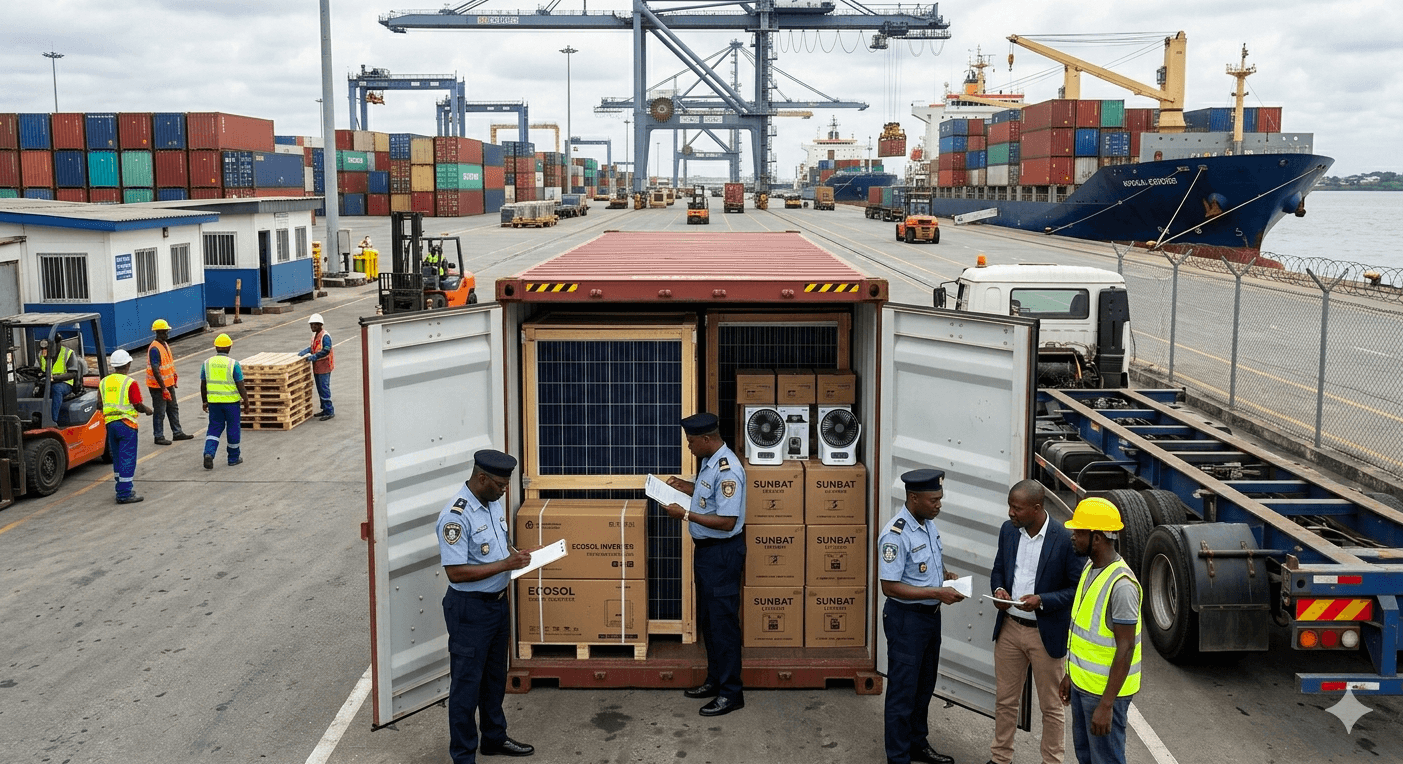
- Customs duty relief and correct HS code classification
- Tax holidays, accelerated depreciation, and tax credits
- Targeted subsidies and end-user support schemes
Learning Through Practice
Through a structured case study, learners will follow a regional clean energy company, operating across two countries with contrasting fiscal regimes. You will explore how import rules, customs classification, financing structures, and final pricing affect the same business model differently depending on the regulatory environment.
What You Will Walk Away With
By the end of this course, you will be able to:
- Identify the key fiscal instruments used in clean energy transitions
- Assess how tax and customs rules affect project costs, cash flow, and investor confidence
- Anticipate implementation gaps and classification risks at the border
- Evaluate whether fiscal incentives are genuinely reaching the communities they are designed to serve
- Apply practical fiscal analysis to real energy transition projects in African markets
Who Should Take This Course
This course is designed for:
- Energy project developers and transaction advisors
- Tax and legal practitioners working in the energy sector
- Policy analysts and development finance professionals
- NGO and development partner staff engaged in energy access programmes
- Anyone working at the intersection of fiscal policy and clean energy access in Africa
- Difficulty Level
Difficulty Level: Beginner to Intermediate
This course is designed to be accessible to professionals working across the energy sector who do not necessarily have a background in tax or customs. No prior knowledge of fiscal policy or tax law is required. Concepts are introduced from first principles and built progressively, with practical examples and real country cases used throughout to ground the learning in familiar energy project contexts.
You will benefit most from this course if you are:
- An energy professional looking to understand how fiscal rules affect the projects you work on
- A project developer or advisor who encounters tax and customs questions but relies on specialists to handle them
- A policy or regulatory professional in the energy sector seeking a broader understanding of fiscal instruments
- A development finance or donor programme staff member working on energy access initiatives
- A legal or business professional transitioning into the clean energy space
Learners with some exposure to energy project development or finance will move through the early sections quickly and find the most value in the later topics covering fiscal instruments, project-level impacts, and the case study. Complete beginners to both energy and fiscal policy may wish to supplement this course with introductory readings on African energy markets before starting.
Course Content
INTRODUCTION
-
Why This Course Exists
-
What the Course Covers
-
The Practical Approach
Why Fiscal Policy Matters for Energy Access
Core Concepts: Energy Justice, Taxation, and Customs
Core Fiscal Instruments in Clean Energy Transitions
Student Ratings & Reviews